Clínica San Felipe
The problem
Clínica San Felipe was running on a legacy system that had been in operation for many years and no longer met the operational needs or digital expectations of its internal users and patients.
The system had accumulated significant technical debt, manual processes embedded in the software logic, and an interface that did not meet modern usability standards — creating friction in the daily work of clinical and administrative staff.
The main challenge was migrating to a modern web platform without disrupting operations, preserving the integrity of existing business logic while aligning the new system with real clinical workflows.
The Solution
Alaz led the functional and technical requirements gathering process, working directly with key clinic stakeholders to document operational workflows, identify gaps, and define the modernization scope.
In coordination with specialized UX and mobile consultancies, the Alaz team served as a central actor in the project — contributing backend, frontend, and functional analysis profiles under a hybrid staffing and project delivery model.
Requirements engineering
A structured elicitation and documentation process was carried out with key stakeholders from clinical, administrative, and IT areas, producing functional specifications that served as the foundation for the entire development team.
Backend modernization
The legacy system's business logic was analyzed and refactored, migrating critical services to a modern architecture with improved maintainability, traceability, and scalability.
Web interface development
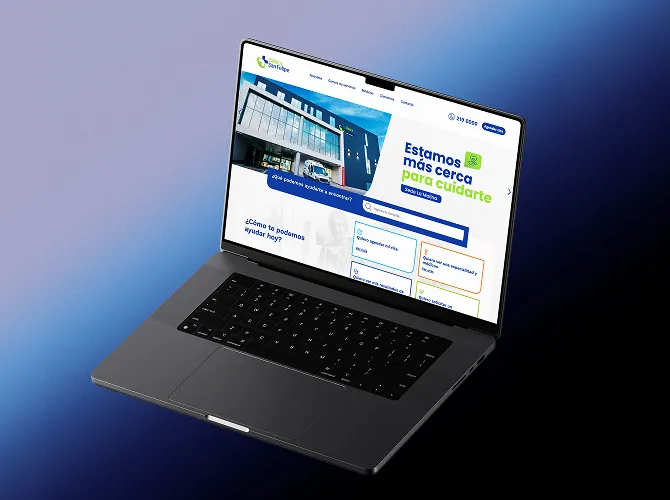
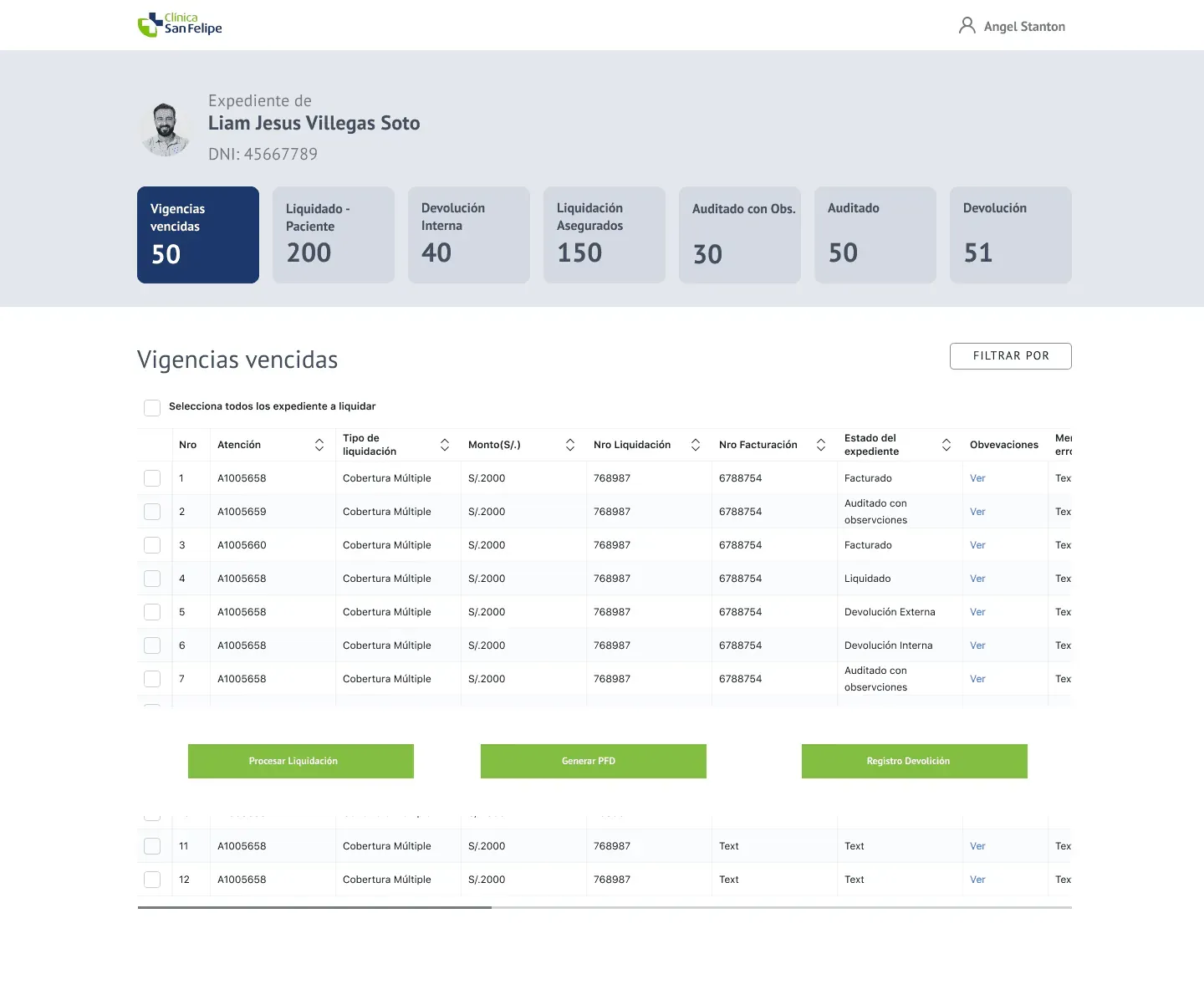
The frontend team built the new web interface based on designs delivered by the UX consultancies, implementing a consistent, accessible experience tailored to clinical staff workflows.
Multi-disciplinary collaboration
Alaz worked alongside specialized UX and mobile consultancies, coordinating deliverables, aligning technical criteria, and ensuring coherence across all system layers.
Hybrid staffing & project model
The engagement operated under a mixed model: part of the team was embedded directly within the clinic's internal team (staffing), while other deliverables were executed as defined project engagements with clear scope and milestones.
Operational continuity
The migration strategy was designed to minimize impact on daily operations, ensuring that clinical and administrative staff could continue working without interruption during the transition.
Results
Documented and validated requirements
A solid specification baseline was delivered, allowing all involved teams to align expectations and reduce rework during development.
Modernized legacy system
Critical business logic was migrated to a modern architecture, reducing technical debt and improving the system's capacity for future evolution.
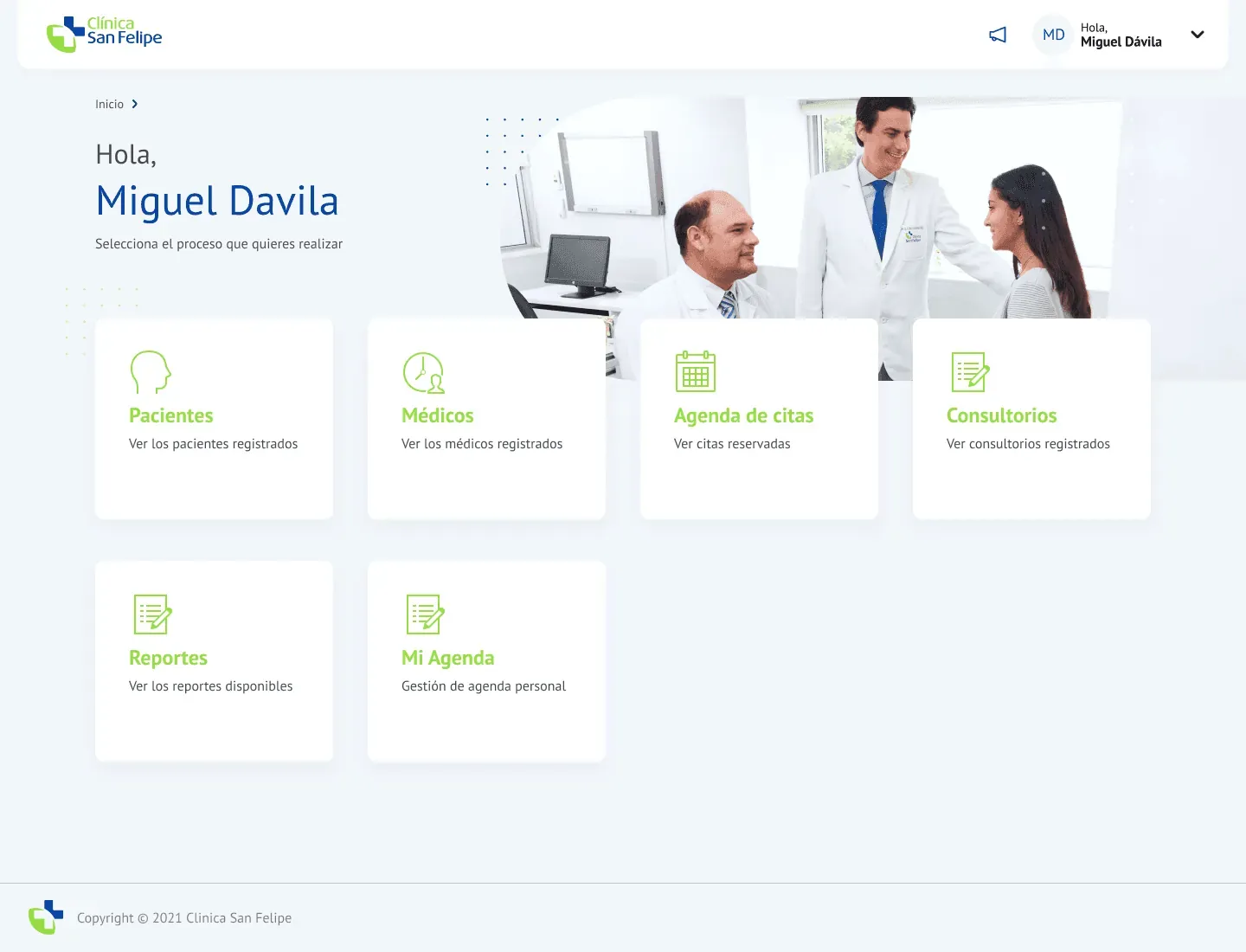
New web experience for staff
Internal clinic users now access a modern web interface, designed around their actual workflows and aligned with current usability standards.
Effective multi-consultancy integration
Coordination between Alaz and the other specialized consultancies resulted in a cohesive system where backend, frontend, UX, and mobile work as an integrated whole.
Foundation for future scalability
The new architecture and generated documentation provide a solid foundation for the clinic to continue evolving its systems in an organized and sustainable way.